
Advanced PPC remarketing strategies that reconnect with your website visitors, turn interest into action, and maximize ROI. We create intelligent remarketing campaigns that keep your brand top of mind. When potential customers leave without converting, our targeted ads remind them why they showed interest — driving them back to your site to complete the purchase or inquiry.
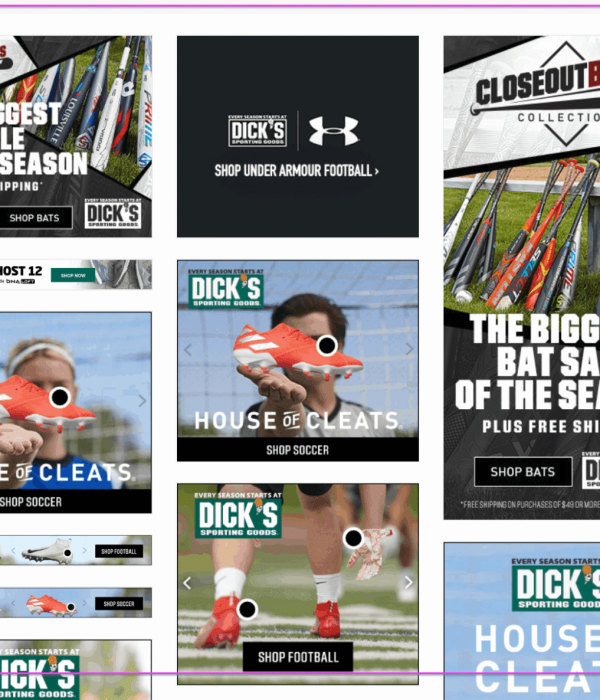
Remarketing (also called retargeting) is a form of PPC advertising that shows ads to users who have already interacted with your website, products, or services but did not convert. Instead of targeting a broad audience, remarketing focuses on warm leads — people already familiar with your brand, making campaigns more relevant and cost-efficient.
We make sure your ads reach people who already know your brand — increasing trust, boosting conversions, and reducing ad costs.
We understand the power of persistence. Our remarketing campaigns turn lost opportunities into repeat traffic and consistent sales by engaging your audience at just the right moment. Because sometimes, the second impression is the one that counts.
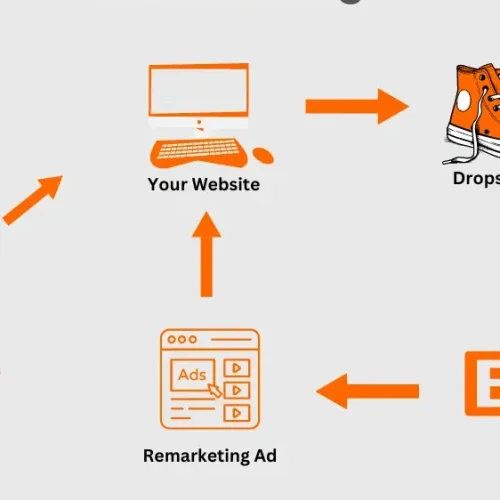
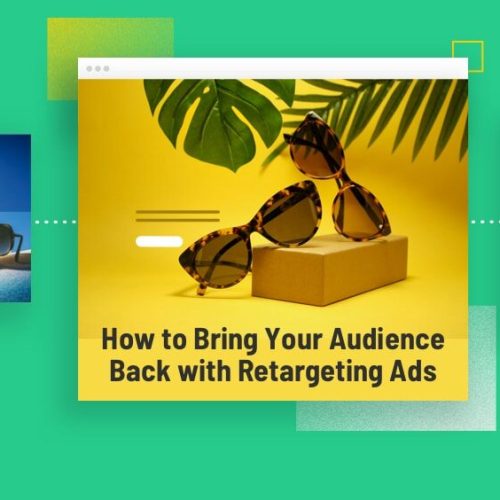
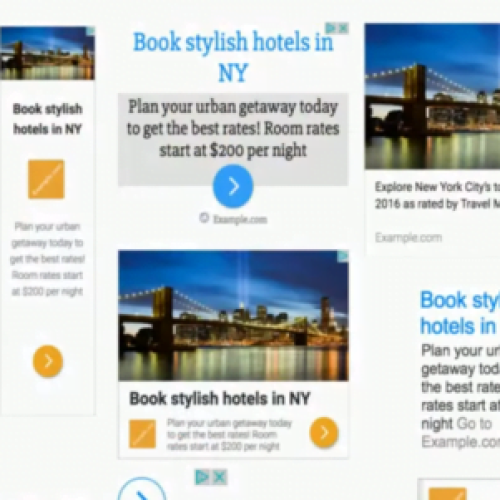
A remarketing campaign shows targeted ads to users who’ve previously interacted with your site or brand but didn’t complete an action — helping bring them back to convert.
Remarketing can run across Google Display & Search, YouTube, Facebook, Instagram, and other programmatic networks.
Dynamic remarketing shows ads featuring the exact products or pages users viewed, increasing relevance and conversion likelihood.
It focuses on warm audiences — users already familiar with your business — who are more likely to convert than first-time visitors.
Remarketing can be more cost-effective because it targets qualified users and reduces wasted spend, often improving ROI.
Future Digital is a full-service digital agency offering web development, branding, marketing, SEO, and automation solutions — helping businesses grow smarter in the digital world.
All right Reserved Powered by Gronotix
Copyright © 2025 All rights reserved