
Efficient mobile app solutions that save time, cost, and deliver consistent performance across iOS and Android.
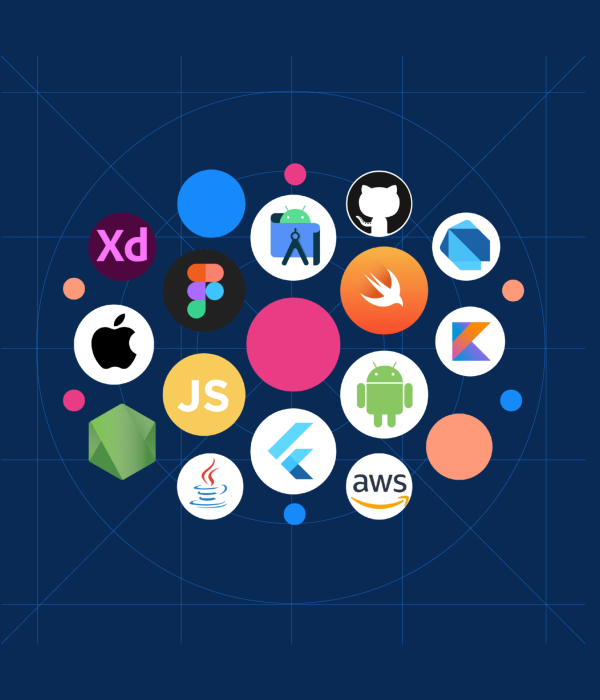
Cross-platform and hybrid apps are designed using a single codebase that can run on multiple platforms — most commonly iOS and Android — without building separate native apps for each. This approach accelerates development, reduces costs, and enables faster launches while maintaining a high-quality, native-like user experience.
Cross-platform frameworks such as React Native, Flutter, Xamarin, and Ionic allow you to use common web or framework languages (like JavaScript or Dart) to create apps that feel seamless on all devices.
We believe innovation should be accessible and efficient. Our hybrid app development combines technology and creativity to give your business a competitive edge — whether users are on mobile, tablet, or desktop. With one powerful app, you can reach everyone, everywhere.
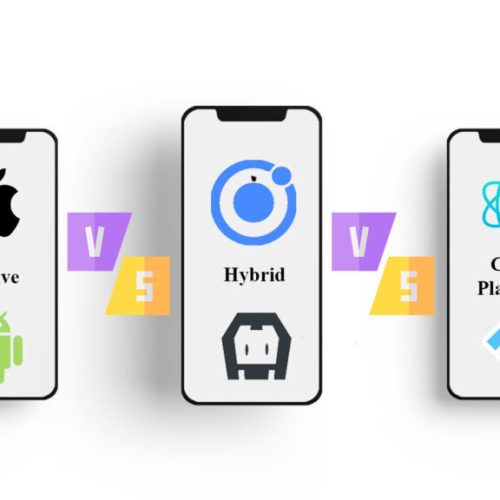
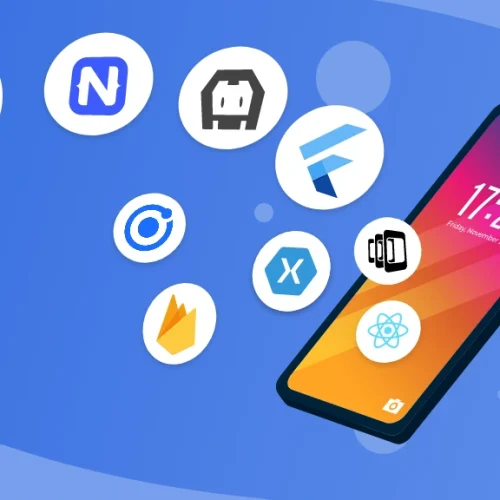
Common frameworks include React Native, Flutter, Xamarin, and Ionic, each offering a balance of performance, flexibility, and ecosystem support.
Cross-platform usually refers to frameworks that produce native-like interfaces from a shared codebase, while hybrid apps often wrap web apps in native containers — both aim for cross-device compatibility with shared code.
Yes — through plugins and API bridges, cross-platform apps can access most device capabilities like camera, GPS, notifications, and more.
Modern cross-platform frameworks offer near-native performance for most use cases; however, extremely resource-intensive or graphics-heavy apps may still perform better when built natively.
Typically shorter than building separate native apps since one codebase serves both platforms — ideal for faster launches and MVPs.
Yes — updating a single codebase across platforms simplifies bug fixes and feature rollouts versus managing multiple native projects.
Future Digital is a full-service digital agency offering web development, branding, marketing, SEO, and automation solutions — helping businesses grow smarter in the digital world.
All right Reserved Powered by Gronotix
Copyright © 2025 All rights reserved